 Snapshot
 Gear
Gear

Project & Program Management
Waterfall, Agile, Project Control, Cross-functional Leadership, Stakeholder & Risk Management, Decision Making
Project Manager & Business Analyst
Project Management • Business Intelligence • Data Analytics • Machine Learning
I drive data-informed strategy by integrating business intelligence, advanced analytics, and machine learning insights, collaborating cross-functionally to translate data into measurable business outcomes.
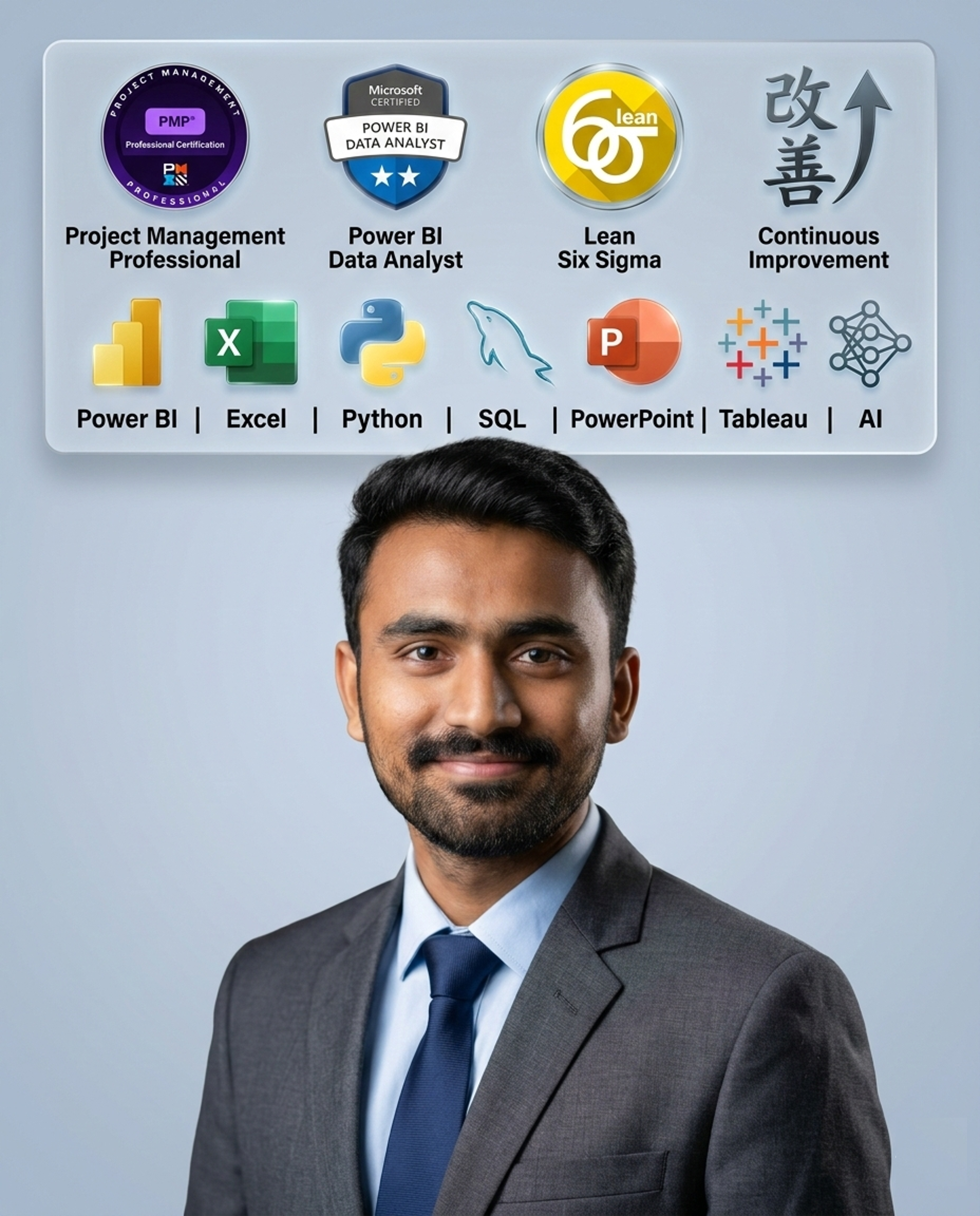
Snapshot
I’m a Project Manager & Business Analytics professional with a Master’s in Business Analytics from Arizona State University, passionate about using data to inform better decisions. I have built predictive models, designed analytical dashboards, and applied statistical methods to uncover meaningful patterns. I thrive in roles that sit between data and business, working with stakeholders to translate complex analysis into insights that drive strategy, efficiency, and impact.
My experience spans project management, data analysis, and business analytics in consulting projects and process optimization. I am passionate about leveraging data to solve business challenges and drive decision-making.

Arizona State University | 2024
Master of Science, Business Analytics
Focused on Business data mining, modeling, analytics, visualization and machine learning with applied projects.
Supply Chain Analytics - Capstone project, reducing excess inventory and improving approval process.

Sri Venkateswara College of Engineering, Anna University | 2019
Bachelor of Automobile Engineering
Explored Engineering Mechanics and Part Design & Analysis.
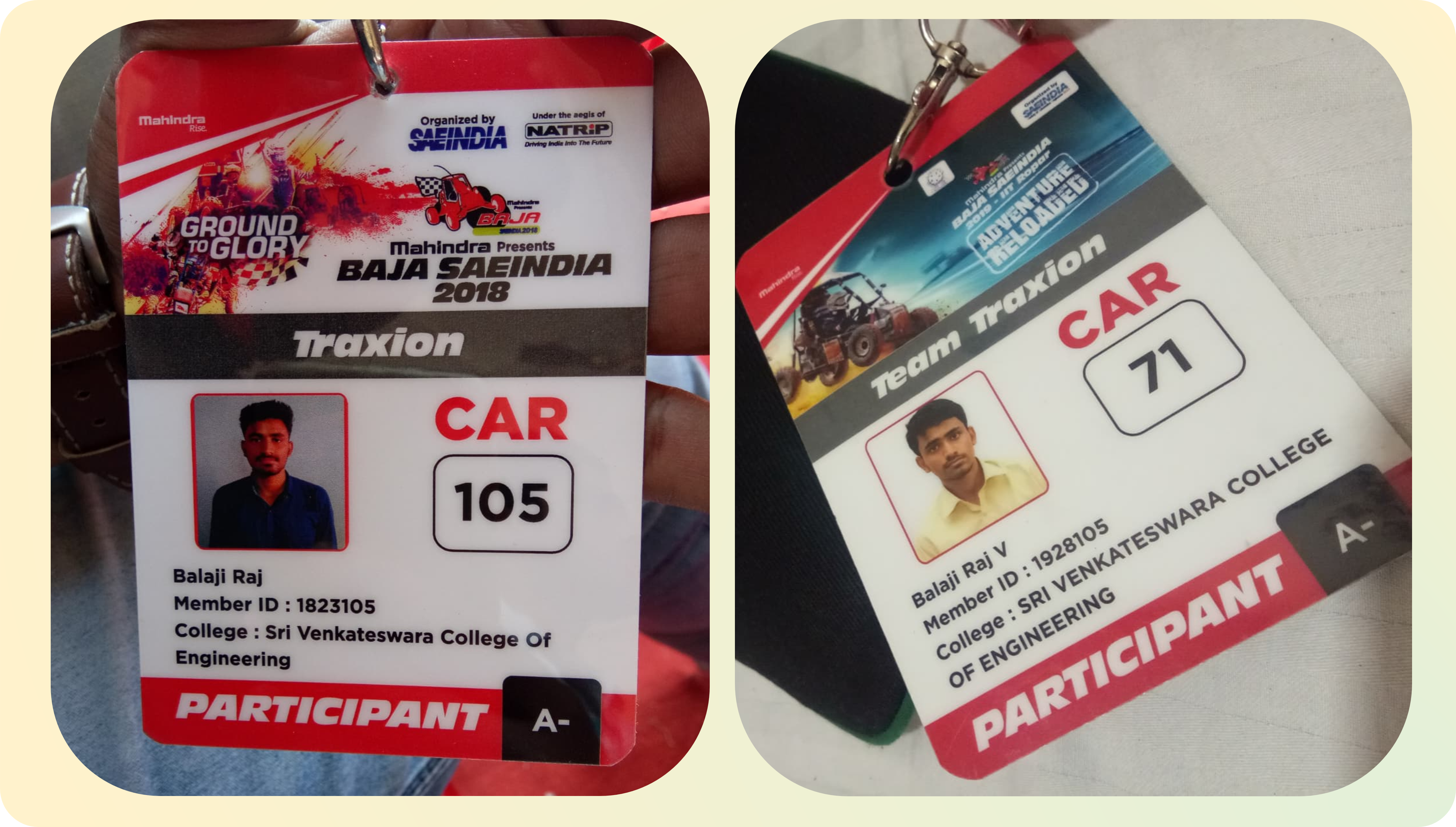
Built All-Terrain Vehicle for National BAJA Competition through design, fabrication, testing, and assembly.
Gear
Waterfall, Agile, Project Control, Cross-functional Leadership, Stakeholder & Risk Management, Decision Making
Lean Six Sigma, DMAIC, Root Cause Analysis, KPI Monitoring, Continuous Improvement, Process Optimization
Excel (Advanced), SQL, Power BI, ETL, Data Modeling, Dashboarding, Communication, Performance Reporting
Python, Forecasting, scikit-learn, TensorFlow, NLP, LLMs, Prompt Engineering, Computer Vision
Timeline
A strategic trajectory from technical foundations to AI-driven leadership.
Excel, PowerPoint, Word
ETL, Feasibility Study
Continuous Improvement, Kaizen
Power BI, Python
Lean Six Sigma, OpEx
Machine Learning, Optimization
Tutoring, Prompt Engineering
PMP, Deep Learning
Sr. Program Manager
Trail
Lab
Highlighting 10 projects across operations, analytics, supply chain, and automotive vehicles that support operational and business decisions. Replace impact metrics with verified results.
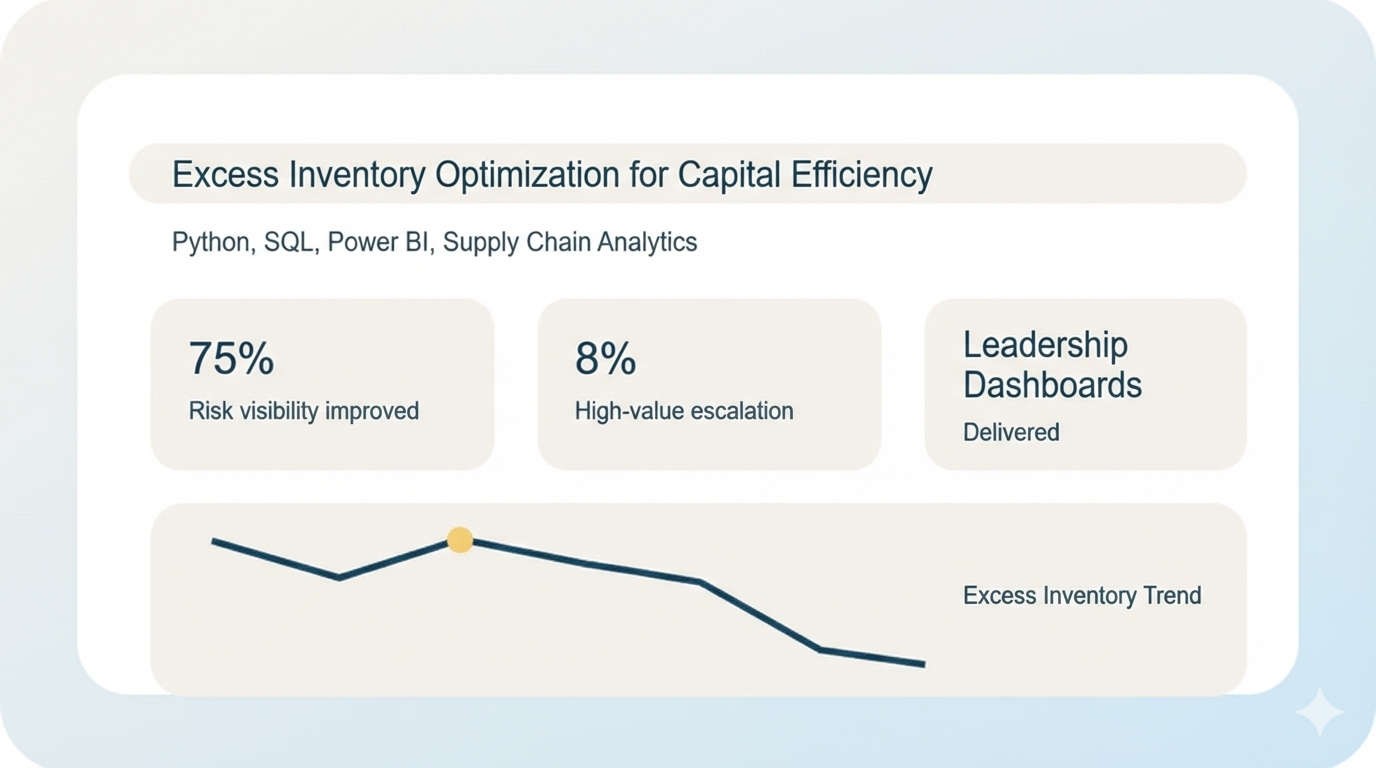
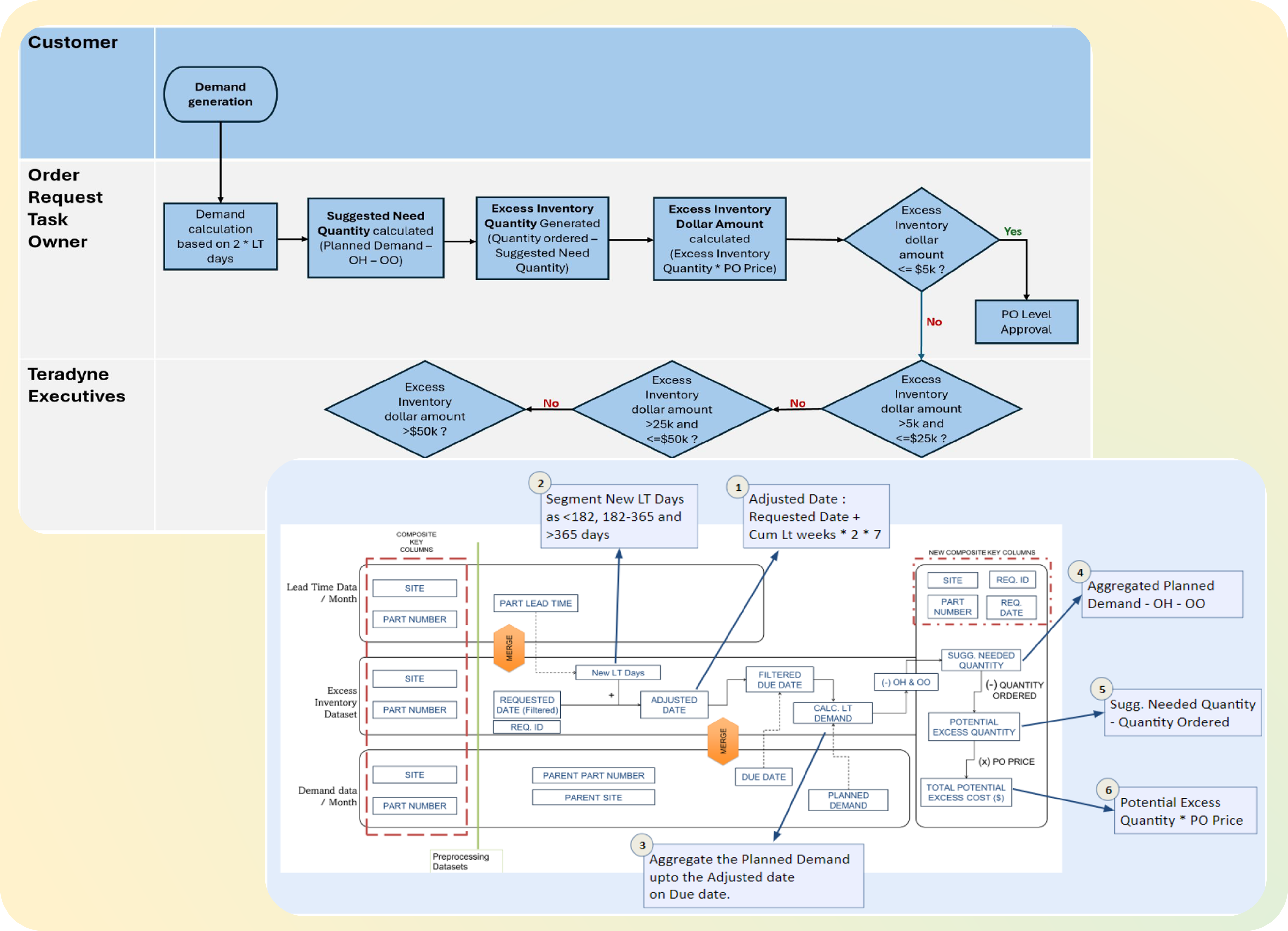
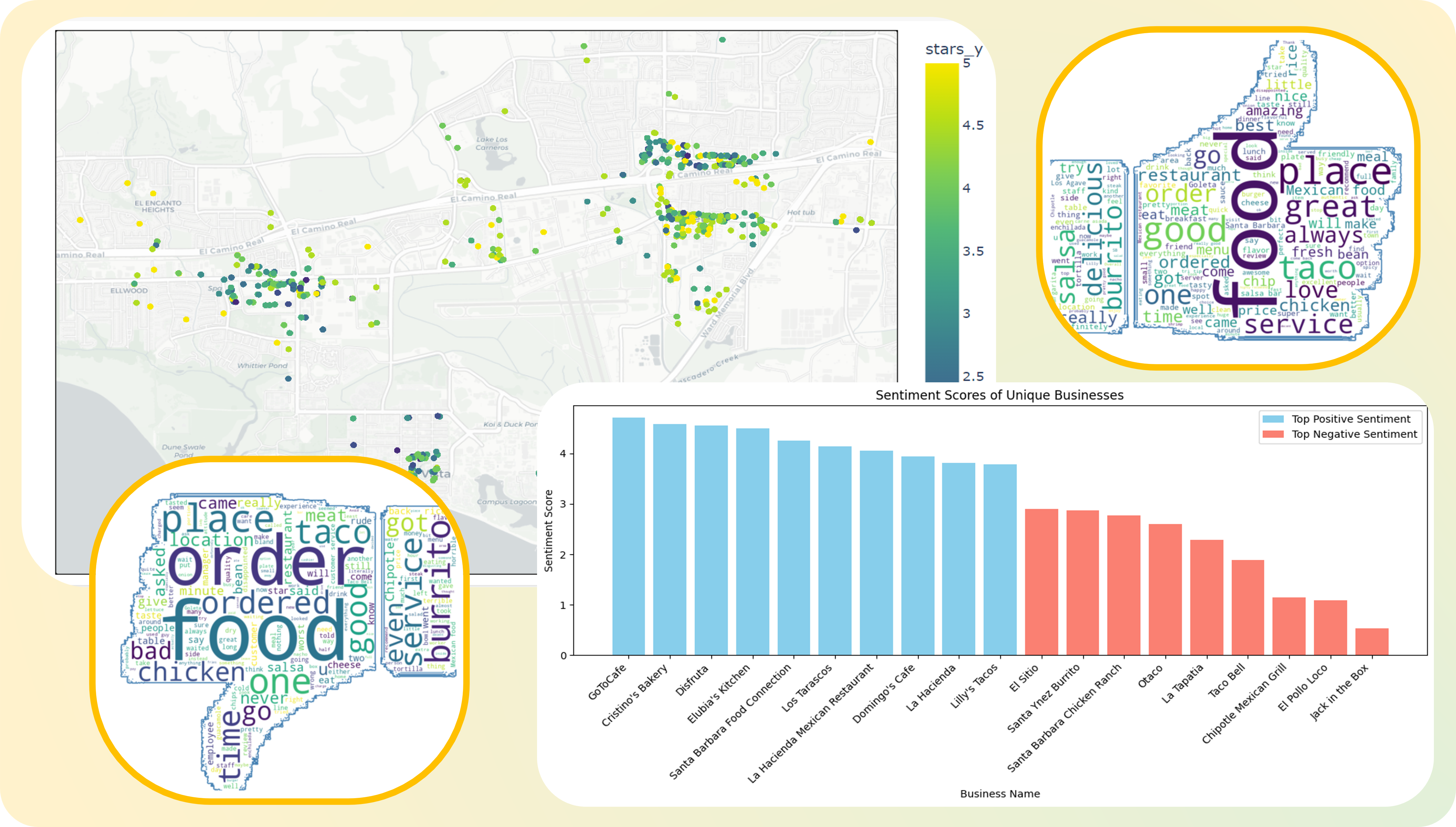
Built a lead-time-driven demand forecasting and inventory risk analytics framework integrating multi-source supply chain data to increase excess inventory risk visibility and improve decision allocation based on capital level to respective senior leaders.
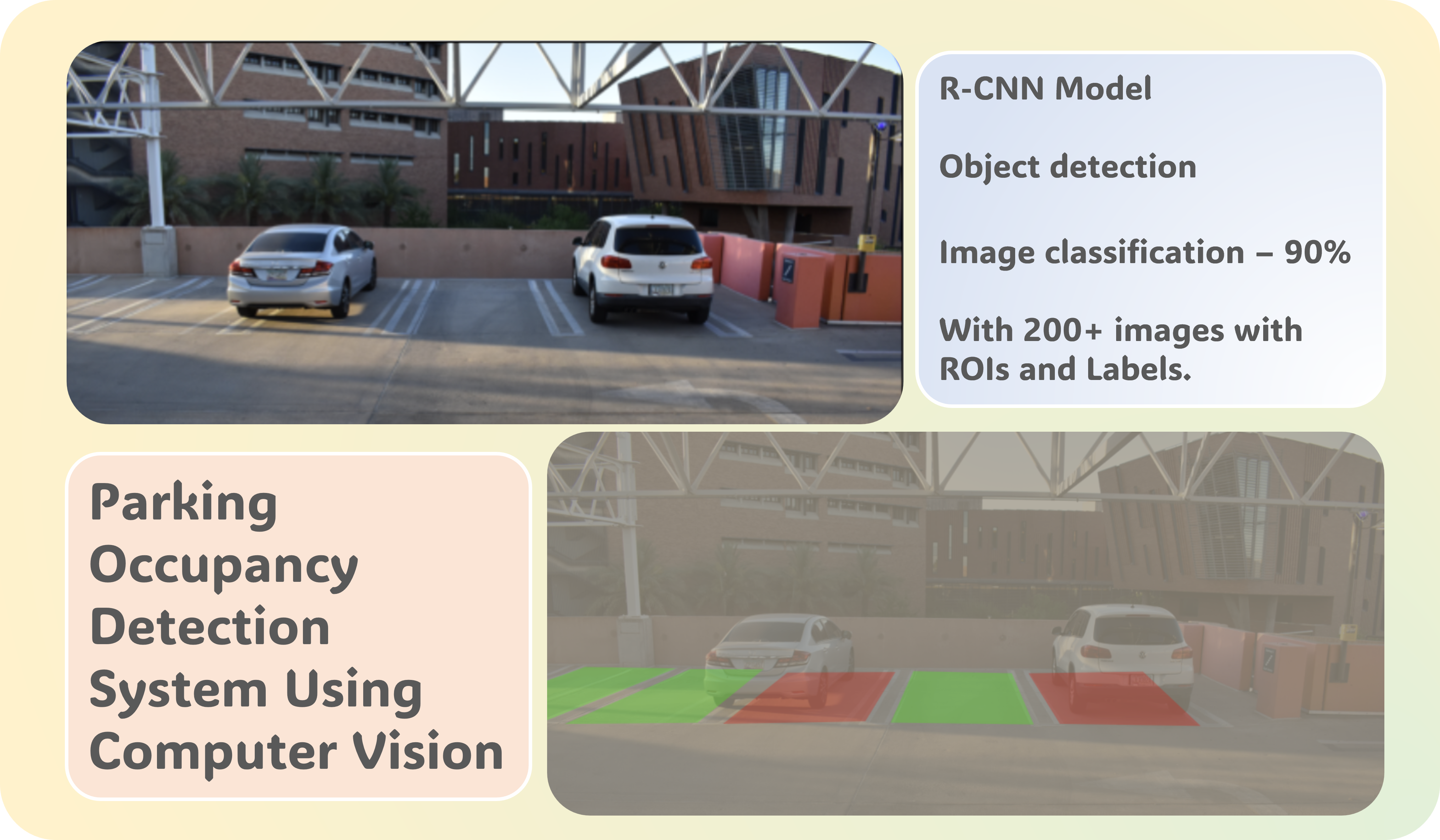
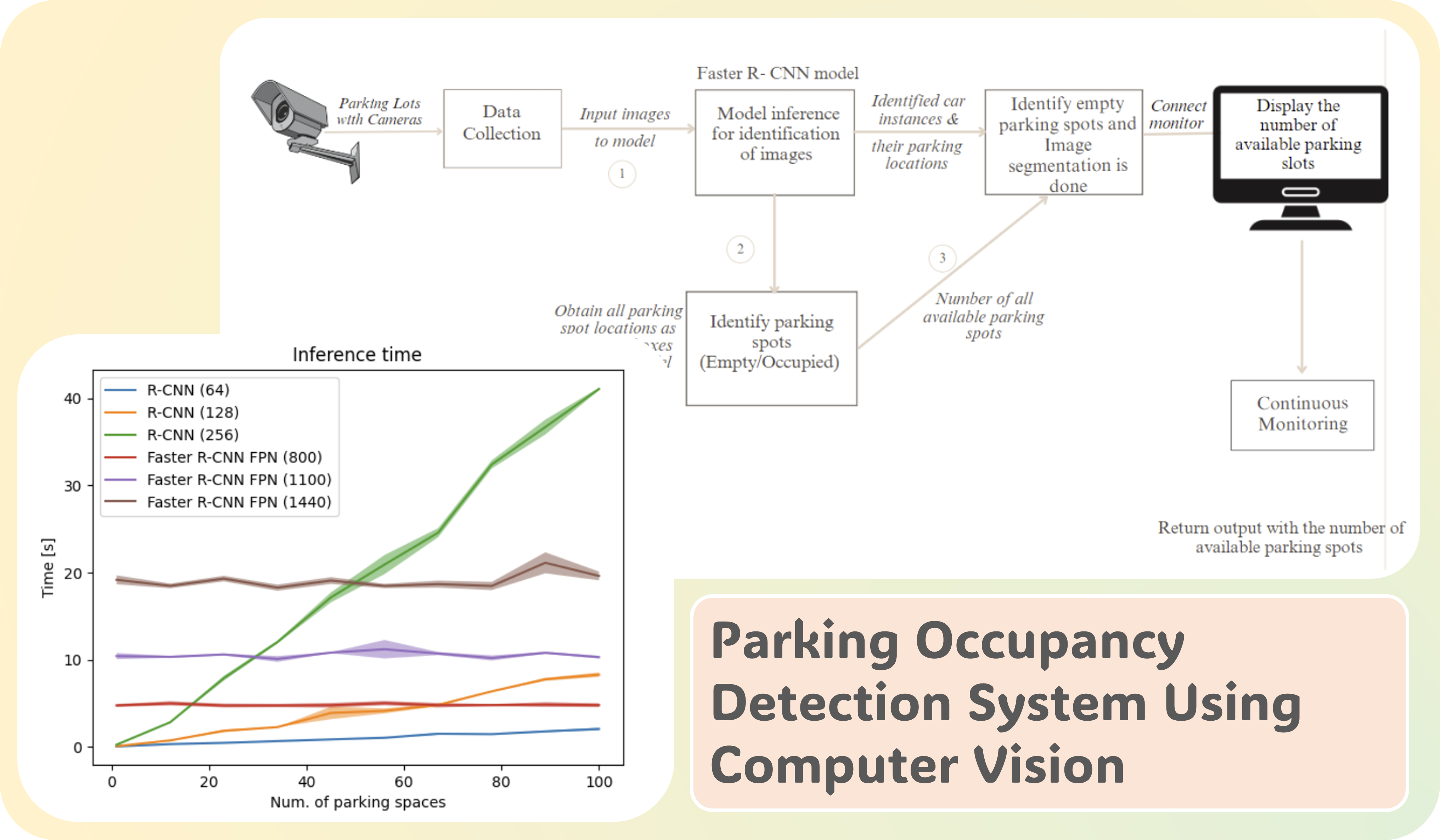
Designed and deployed end-to-end computer vision analytics pipeline to automate parking space utilization detection and enable scalable infrastructure monitoring.
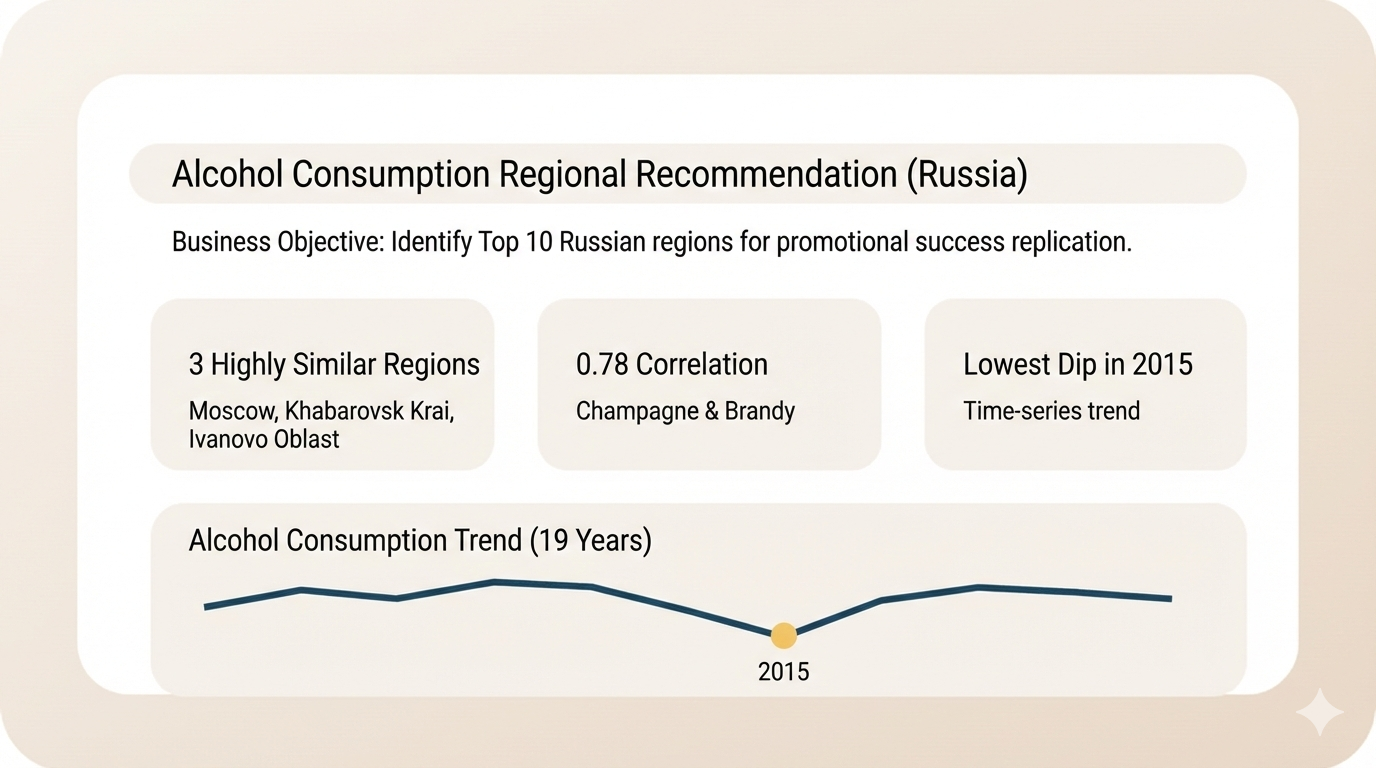
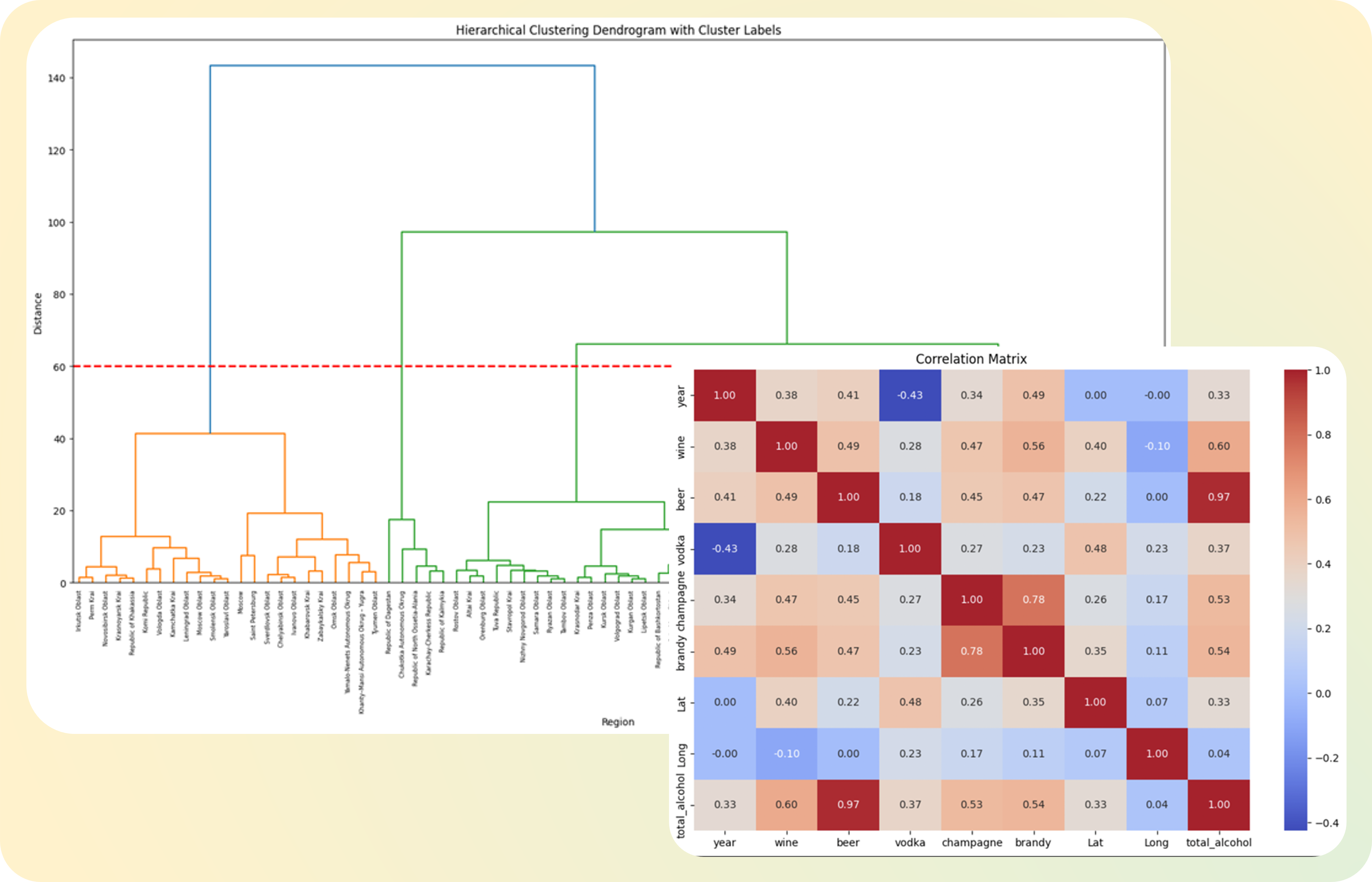
Built a machine learning–driven market expansion analytics model to identify high-impact regions for targeted promotional investment.
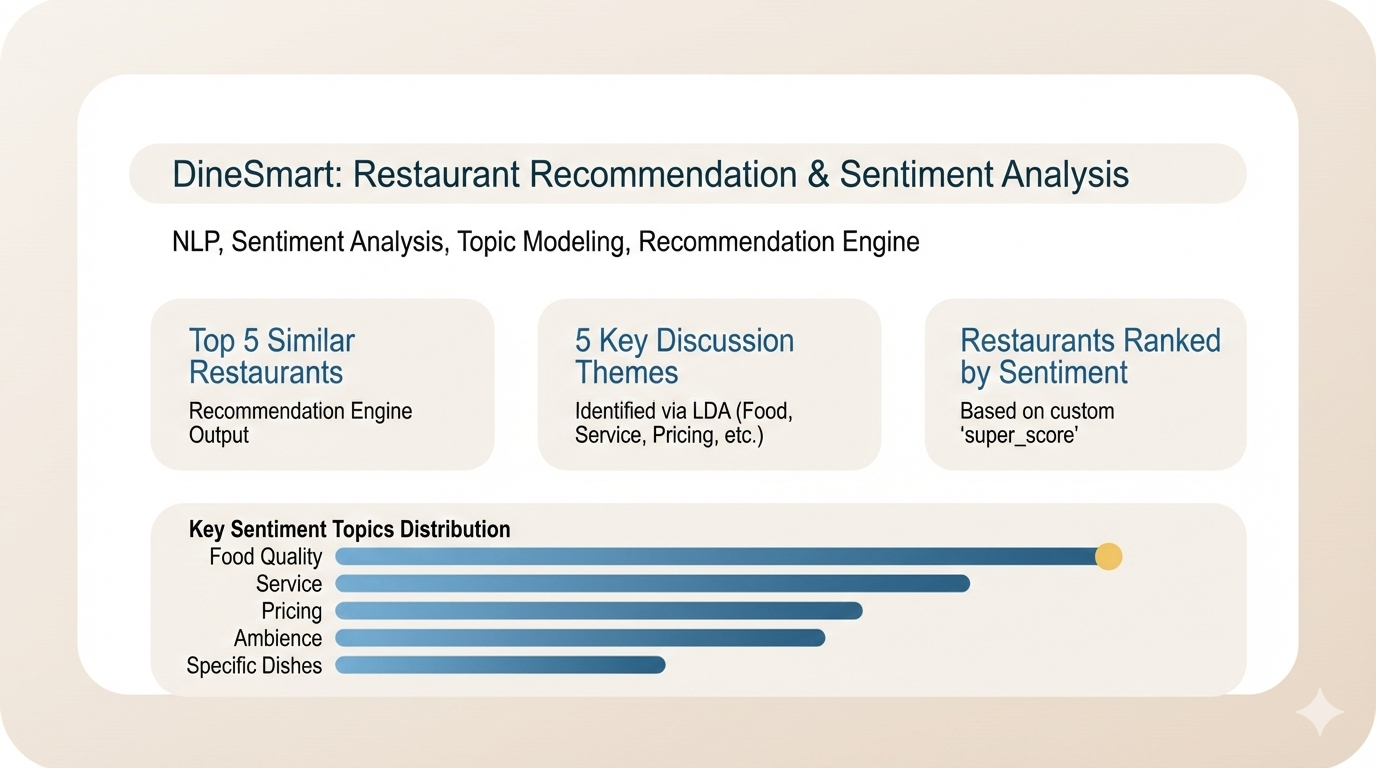
Developed an NLP-powered analytics platform combining sentiment intelligence and recommendation modeling to enhance customer experience insights.
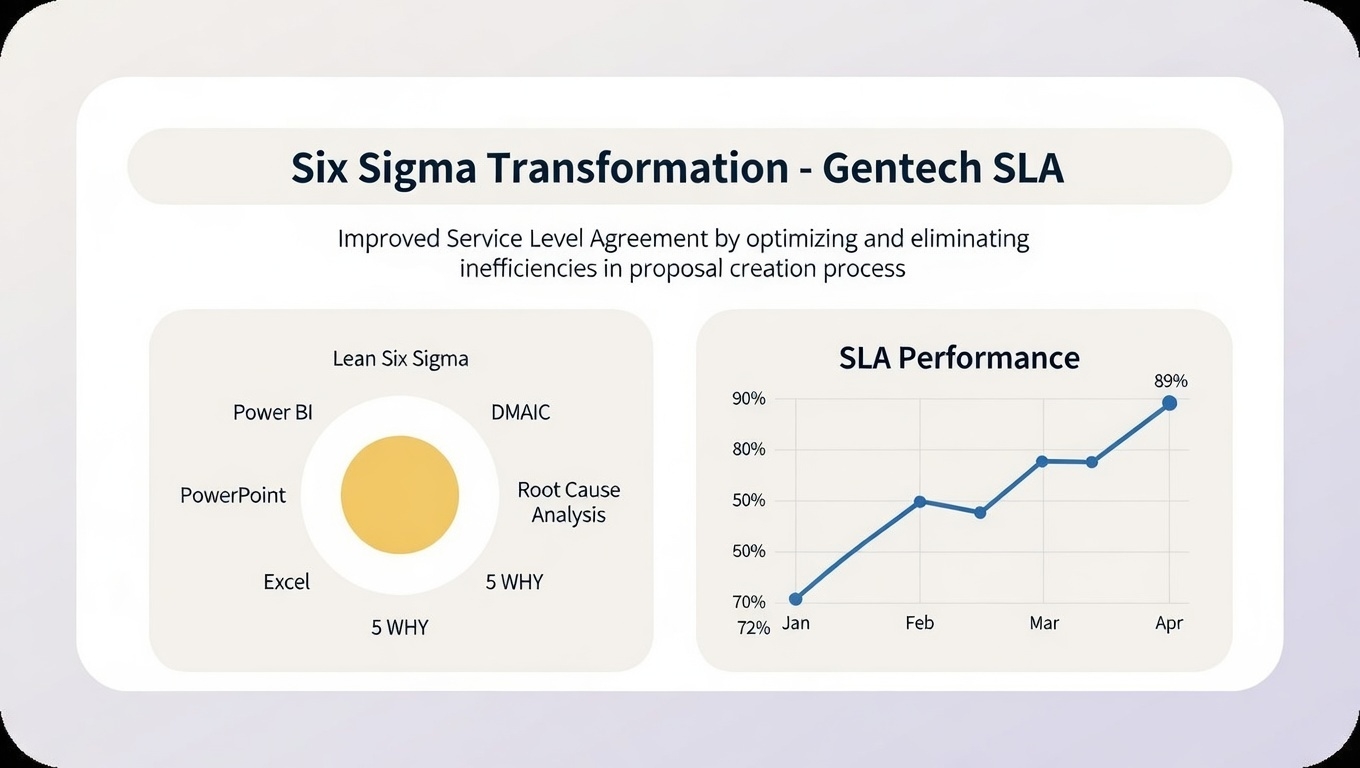
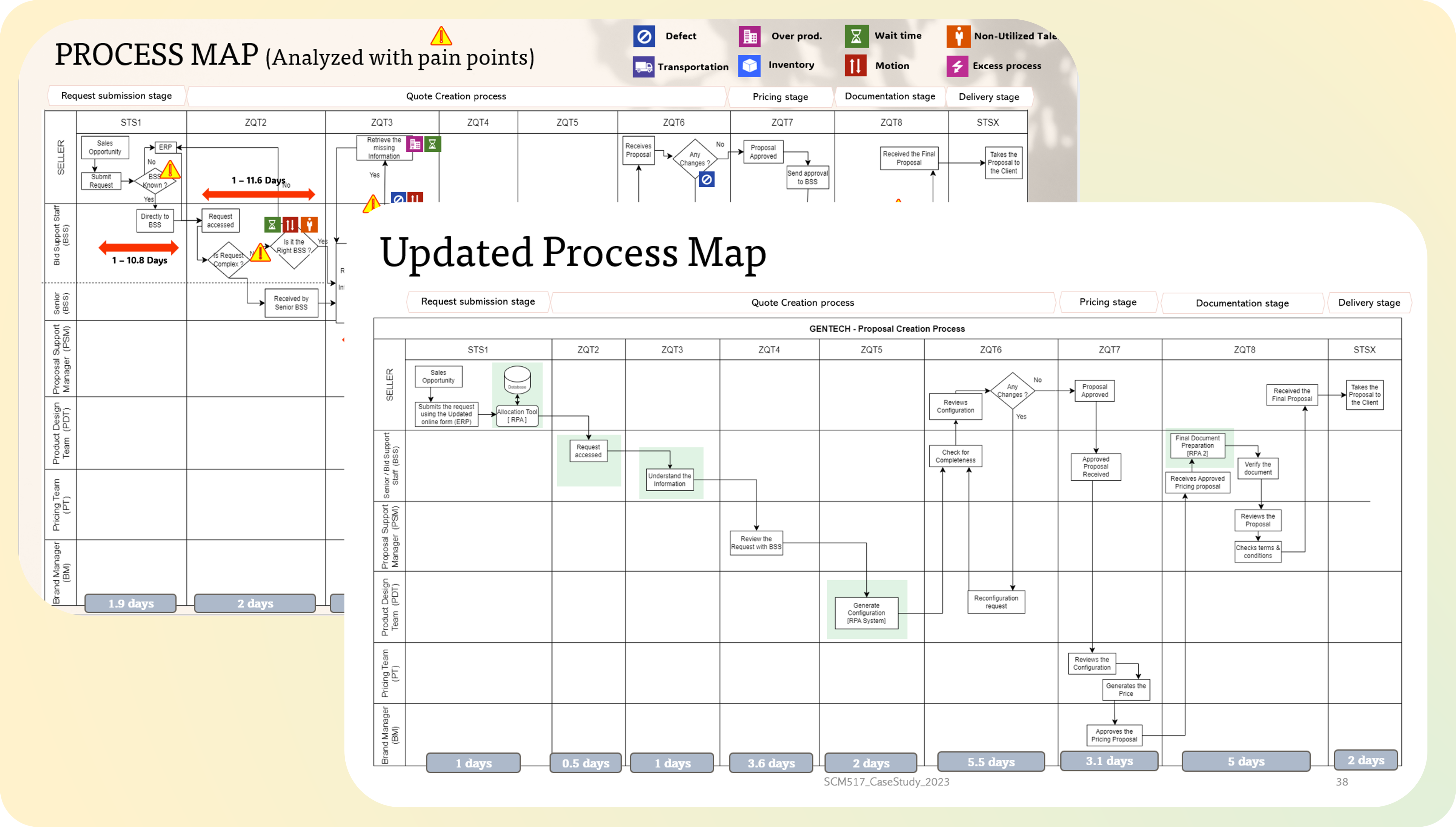
Led a DMAIC-driven operational transformation initiative to improve SLA performance and streamline supply chain approval workflows.
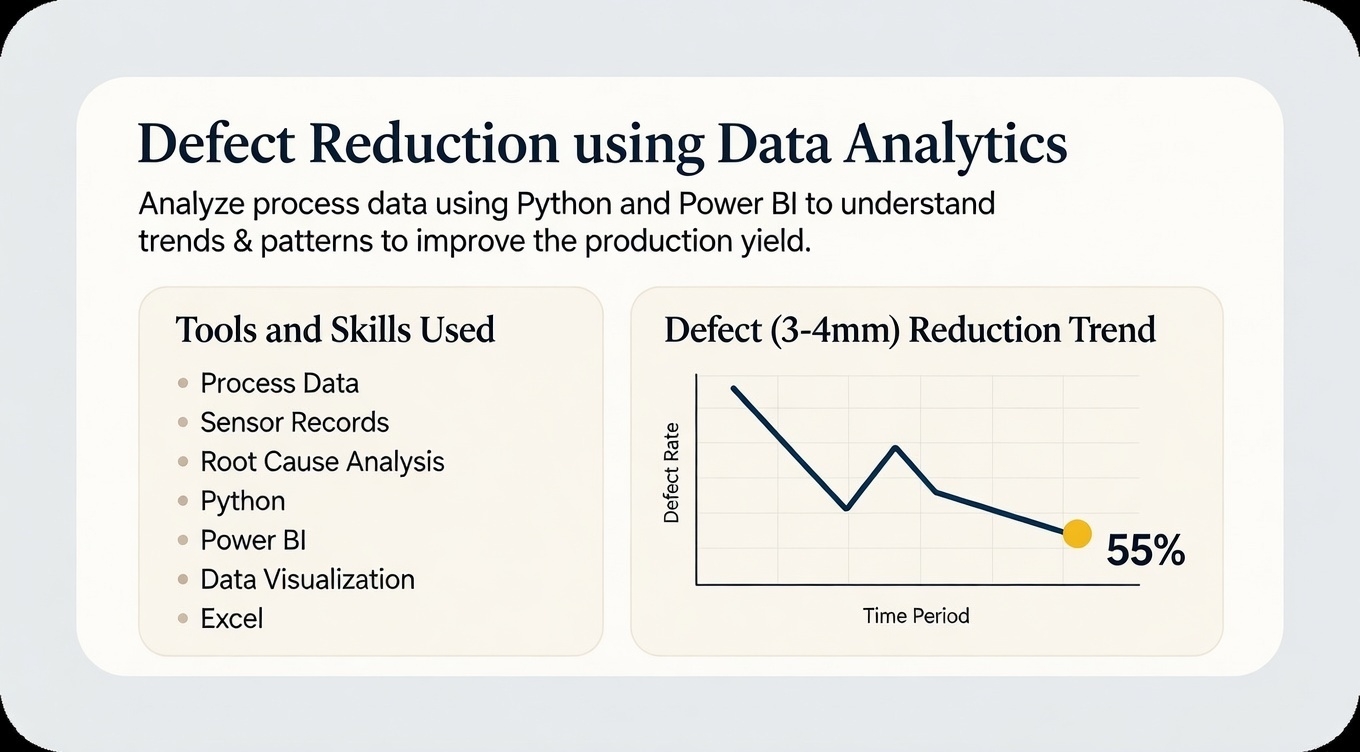
Built a data-driven defect detection and root cause analysis workflow using manufacturing sensor data to reduce quality losses. Delivered statistical insights and performance dashboards to support yield improvement decisions.
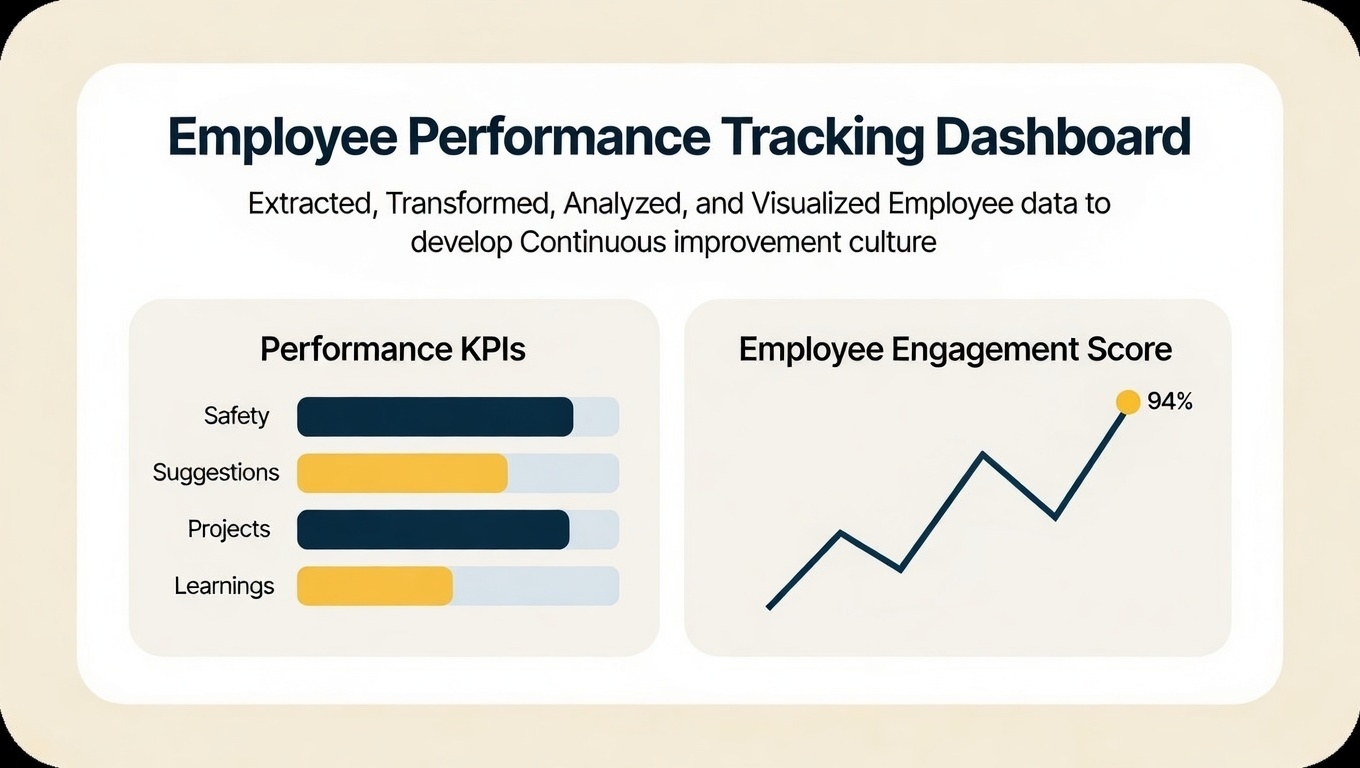
Designed a workforce analytics dashboard to centralize operational excellence metrics and enable leadership-level performance visibility through KPI-driven scorecards.
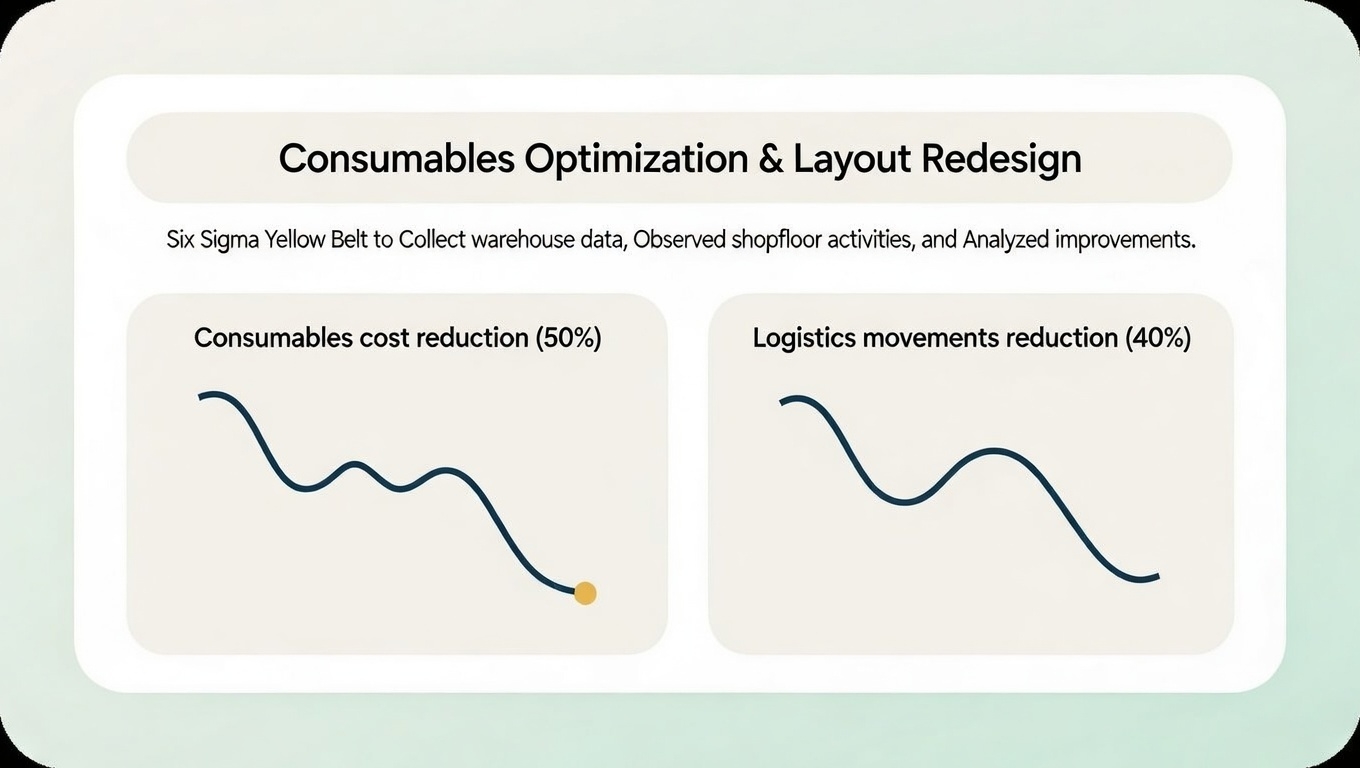
Led a Lean Six Sigma initiative to optimize warehouse material flow, reduce excess consumables inventory, and improve operational throughput.
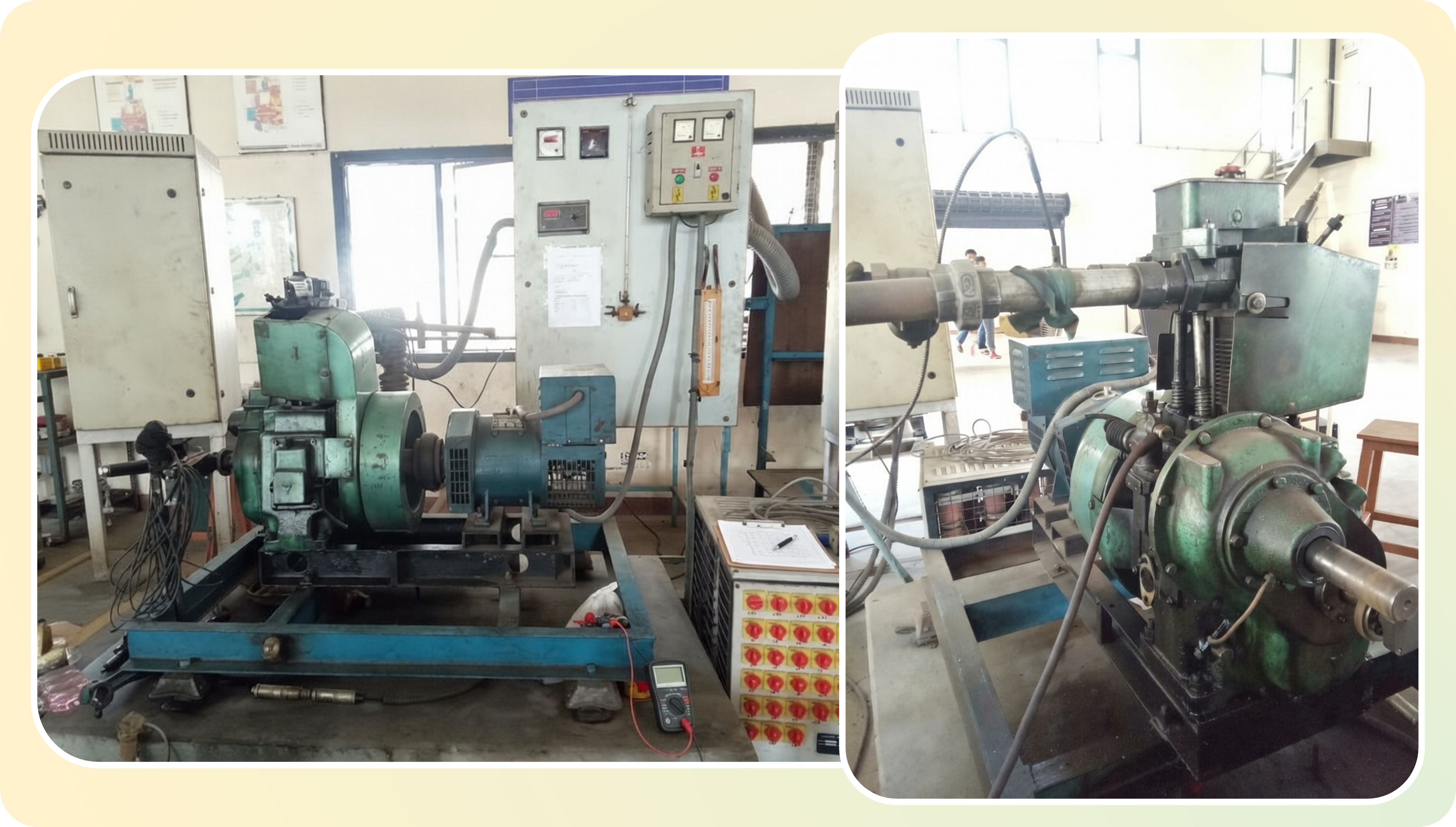
Conducted experimental research to improve diesel engine combustion efficiency and reduce emissions using controlled design-of-experiments methodologies.
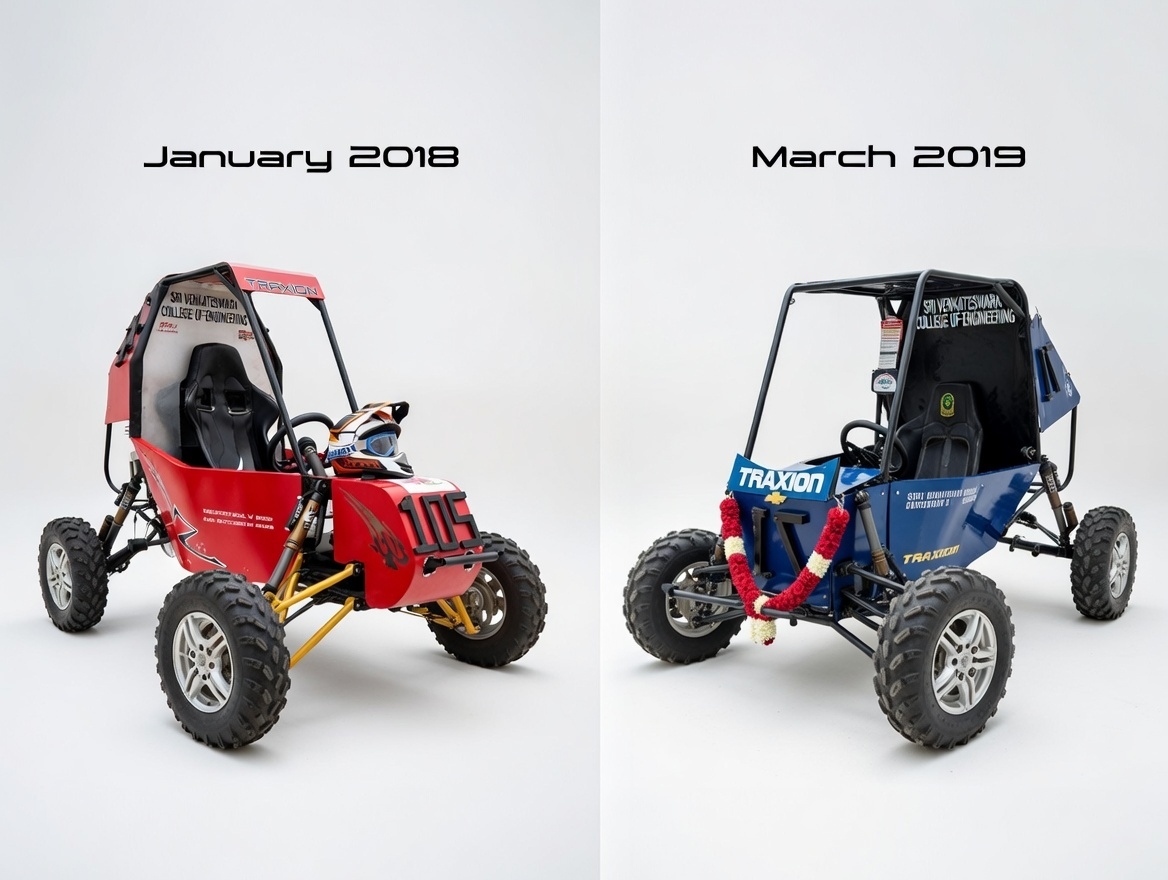
Contributed to the end-to-end design, fabrication, and competitive validation of an all-terrain vehicle for the national BAJA engineering competition.
Certifications

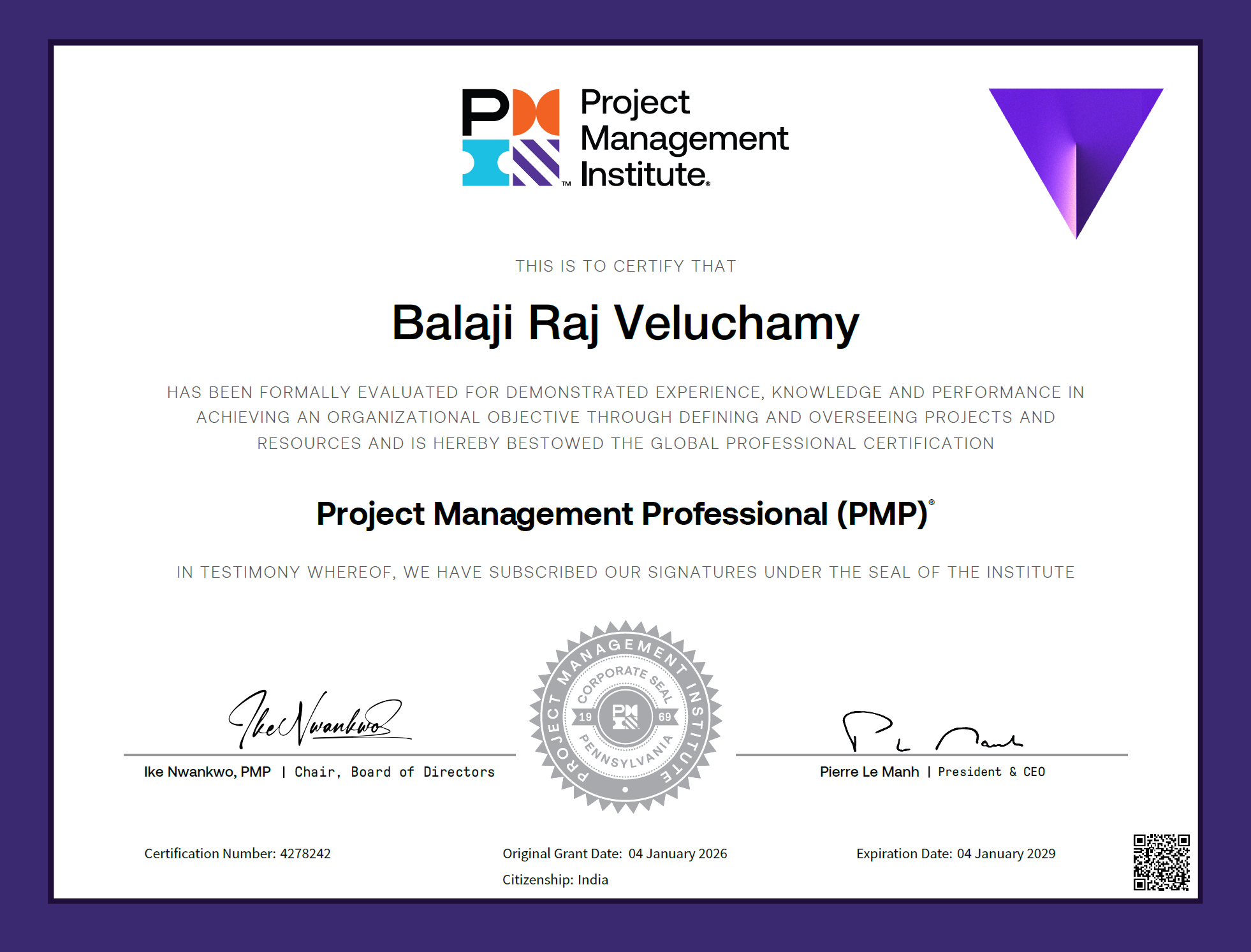
PMI-certified in project governance, EVM, risk management, stakeholder communication, and end-to-end lifecycle delivery.

Validated expertise in data modeling, DAX, dashboard development, and business intelligence reporting using Power BI.

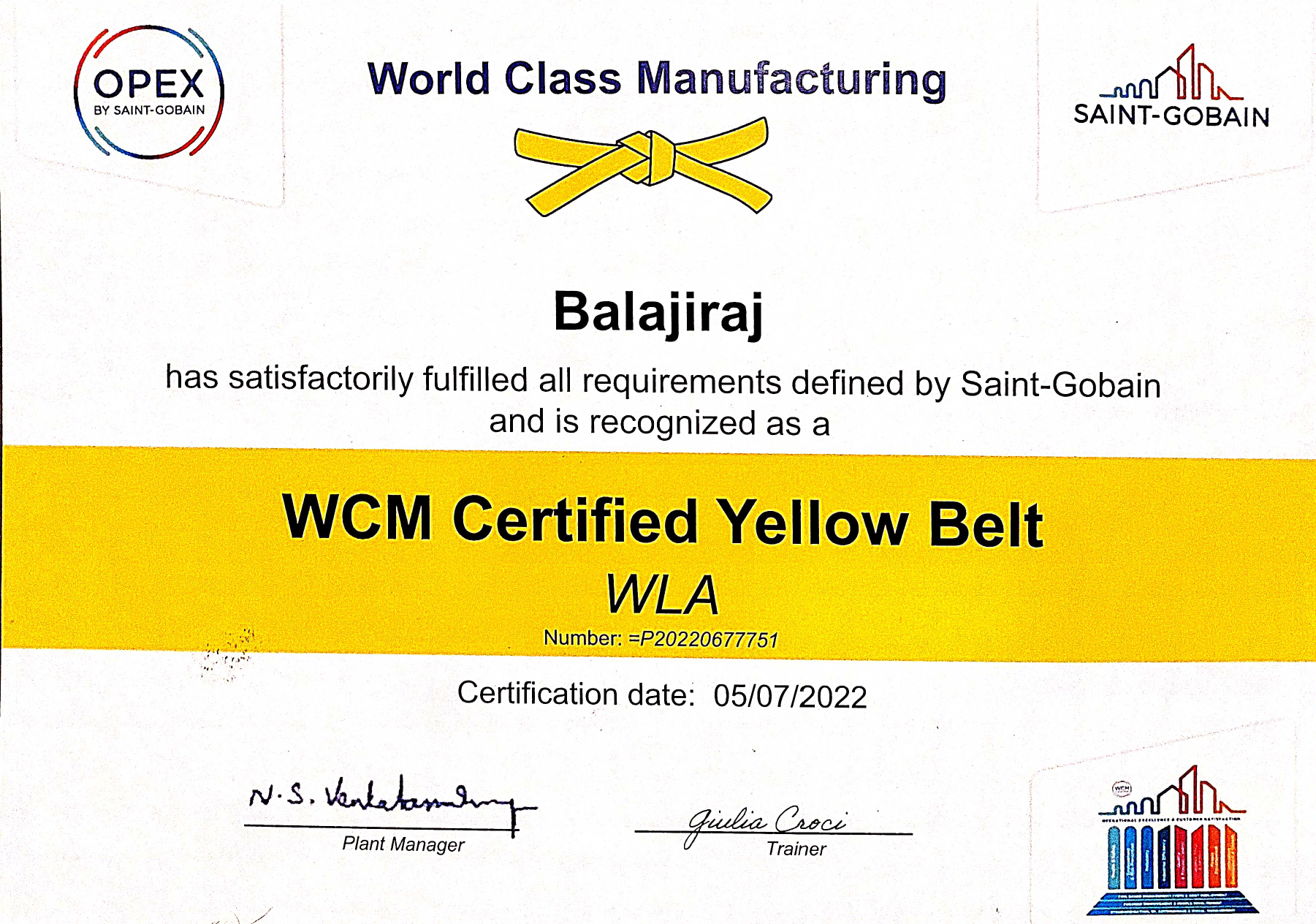
Certified in DMAIC methodology, process optimization, root cause analysis, and continuous improvement practices.
Contact
Email is the fastest way to reach me. I respond within 24 hours.
Problem: Static 12-month forecasting models were driving excess inventory, increasing holding costs and limiting capital efficiency across supply chain operations.
Approach: Developed dynamic lead-time-based demand models using Python and SQL by integrating historical inventory, procurement, and supply data. Designed interactive Power BI dashboards to provide real-time excess inventory risk visibility and decision-level segmentation for approval workflows.
Tech Stack: Python, SQL, Power BI, Supply Chain Analytics
Results & Impact:
What I'd Improve Next: Integrate predictive forecasting (ARIMA), Automate replenishment triggers, and implement scenario simulation for demand volatility.
Problem: Lack of unified visibility into employee engagement, safety metrics, project contributions, and operational excellence initiatives limited leadership’s ability to monitor performance.
Approach: Built a real-time Power BI dashboard integrating safety, training, recognition, and improvement initiative metrics. Developed DAX-based weighted scoring models to quantify engagement and performance indicators. Structured dashboards to support daily and monthly leadership reviews.
Tech Stack: Power BI, DAX, Excel, Data Modeling, KPI Frameworks
Results & Impact:
What I'd Improve Next: Incorporate predictive workforce analytics, automate data pipelines, and implement role-based dashboard access controls for scalability.
Problem: High defect rates in 3–4mm clear glass manufacturing were increasing production cost, reducing yield, and impacting product quality.
Approach: Cleaned and validated multi-source manufacturing sensor datasets. Conducted exploratory data analysis (EDA) and statistical correlation analysis to identify key process parameters influencing defect formation. Developed structured reporting dashboards to monitor defect trends and process variability.
Tech Stack: Python, Power BI, Statistical Analysis, Data Visualization
Results & Impact:
What I'd Improve Next: Integrate real-time sensor streaming, implement predictive defect modeling, and deploy automated anomaly alerts for proactive quality control.
Problem: Restaurants lacked structured insight into customer sentiment drivers and competitive positioning from large-scale review data.
Approach: Performed NLP-based sentiment analysis and topic modeling (LDA) using spaCy and Gensim. Built recommendation engines using cosine similarity and collaborative filtering to personalize restaurant discovery.
Tech Stack: Python, spaCy, scikit-learn, Gensim, NLP
Results & Impact:
What I'd Improve Next: Integrate real-time review ingestion, deploy transformer-based NLP models, and incorporate location-aware ranking systems.
Problem: Manual parking utilization tracking lacked scalability, real-time accuracy, and data-driven capacity planning support.
Approach: Built a full computer vision workflow using ROI-based image segmentation and object detection models (YOLO, RCNN). Processed 200+ labeled images with spatial validation techniques to minimize false positives and ensure reliable occupancy classification.
Tech Stack: Python, OpenCV, YOLO, RCNN
Results & Impact:
What I'd Improve Next: Deploy live camera integration, optimize inference latency, and implement edge-based real-time processing.
Problem: Promotional investments were deployed without structured regional similarity analysis, limiting scalability beyond Saint Petersburg and increasing risk in expansion decisions across 85 geographically diverse regions.
Approach: Analyzed 19 years of per-capita alcohol consumption data (1,615 samples, 85 regions). Cleaned and optimized dataset (reduced to 81 valid regions after removing incomplete records). Conducted Time-series trend analysis, Correlation analysis, and Geographic enrichment using latitude/longitude clustering. Applied multi-model similarity validation using Hierarchical Clustering, Cosine Similarity, Collaborative Filtering, and DBSCAN clustering.
Tech Stack: Python, scikit-learn, Power BI, Machine Learning
Results & Impact:
What I'd Improve Next: Add time-series forecasting for seasonal consumption modeling. Implement uplift modeling to estimate true promotional impact. Incorporate demographic & economic indicators for deeper segmentation.
Problem: Service Level Agreement (SLA) performance at 72.3% indicated process inefficiencies across proposal creation and supplier-to-customer approval workflows.
Approach: Applied Lean Six Sigma DMAIC methodology, conducted root cause analysis (5 Whys), and performed structured data analysis using Excel and Power BI to identify workflow bottlenecks. Implemented process standardization and governance improvements.
Tech Stack: Excel, Power BI, Lean Six Sigma, DMAIC
Results & Impact:
What I'd Improve Next: Implement automation in proposal routing, introduce real-time SLA monitoring dashboards, and integrate predictive risk alerts.
Problem: Excess packaging material inventory and inefficient warehouse movement were increasing operational costs and reducing material handling efficiency.
Approach: Conducted workplace layout analysis and value stream mapping (VSM) to identify non-value-added activities. Applied Lean Six Sigma methodologies and root cause analysis to redesign layout and optimize procurement controls.
Tech Stack: Lean Six Sigma, DMAIC, Excel, Value Stream Mapping, Operational Analytics
Results & Impact:
What I'd Improve Next: Deploy inventory forecasting models and implement real-time warehouse performance dashboards to enhance monitoring and demand alignment.
Problem: Diesel engines required improved combustion efficiency while reducing fuel consumption and emissions.
Approach: Performed experimental DOE using Kirloskar diesel engines to analyze the impact of magnetic field variations on fuel injection and combustion characteristics. Measured heat rates, fuel efficiency, and emission levels under controlled testing conditions.
Tech Stack: Design of Experiments (DOE), Experimental Analysis, Statistical Process Control
Results & Impact:
What I'd Improve Next: Expand testing across broader engine loads, integrate advanced combustion analytics, and validate results under real-world driving scenarios.
Problem: Design and build a fully functional all-terrain vehicle capable of passing national BAJA competition technical and performance tests.
Approach: Participated in vehicle design, fabrication, assembly, and performance validation. Conducted component-level testing including brake systems, suspension analysis, maneuverability evaluation, and engine performance assessment. Managed procurement and bill of materials (BOM) coordination.
Tech Stack: CAD, ANSYS, Mechanical Design, Fabrication & Manufacturing
Results & Impact:
What I'd Improve Next: Optimize weight distribution using simulation-driven design, improve suspension tuning, and enhance performance modeling for competitive advantage.



 Timeline
 Lab
Lab